Call Now- Open 24/7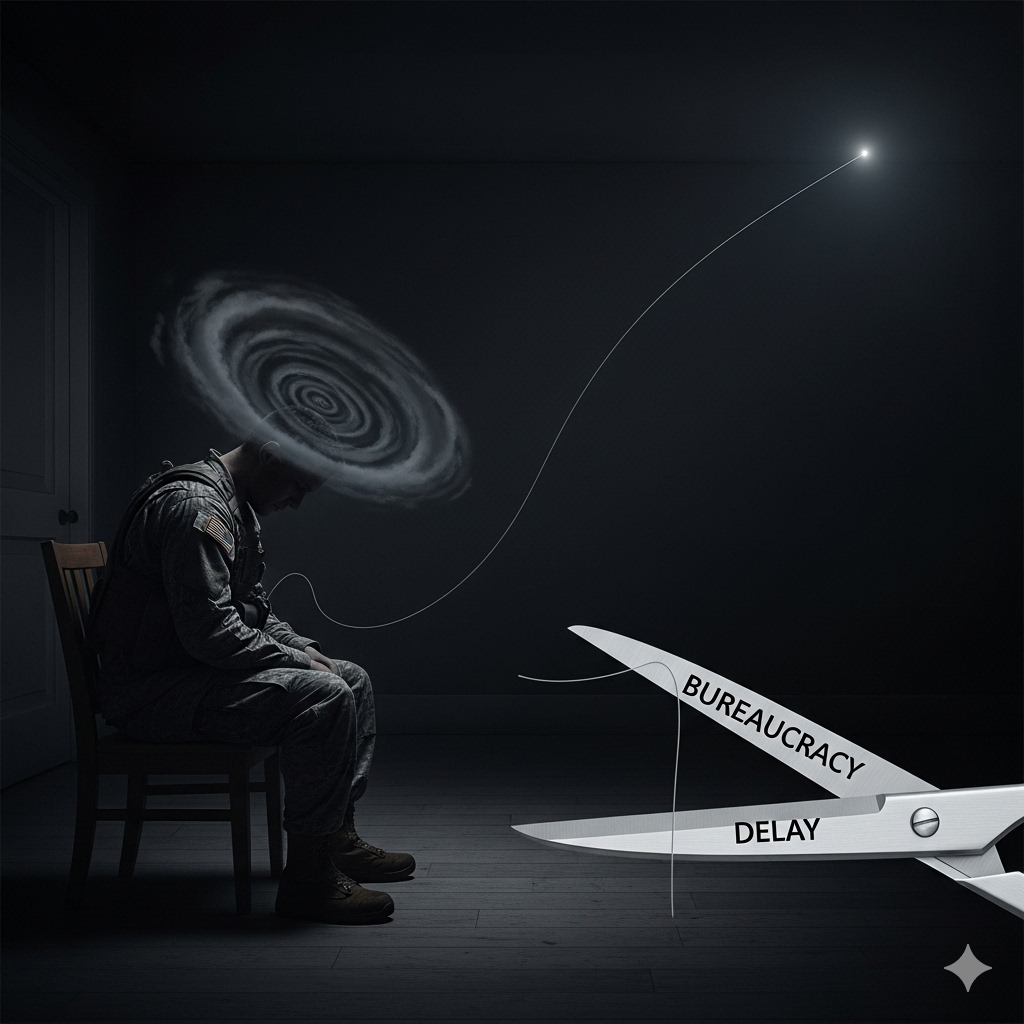
Mental health care in the military is a matter of life and death. For service members struggling with depression, PTSD, anxiety, or suicidal thoughts, getting timely access to proper care is not optional—it’s essential. Yet far too often, delays in mental health referrals occur within the military healthcare system, leading to tragic outcomes that could have been prevented.
This blog explores how these delays happen, how they contribute to wrongful deaths, and what legal rights surviving family members have when seeking justice for military medical negligence related to mental health.
The High Stakes of Mental Health in the Armed Forces
Military service often involves intense psychological and emotional stress. Combat exposure, long deployments, family separation, and high-pressure environments make service members uniquely vulnerable to mental health struggles. The Department of Defense has acknowledged rising rates of suicide and mental health crises within the ranks, yet systemic problems persist—especially when it comes to referral delays.
When a service member reaches out for help—or is referred by a superior or medical provider—they may require specialized care, such as psychiatric evaluation, trauma therapy, or crisis stabilization. These services often require a referral, but delays in the process—whether due to understaffing, command denial, or administrative bottlenecks—can have fatal consequences.
How Referral Delays Occur in Military Healthcare
Delays in mental health referrals can result from:
- Command interference or stigma: Superiors may discourage referrals to avoid losing personnel or disrupting unit cohesion.
- Lack of resources: On-base mental health providers may be booked for weeks, delaying initial evaluations and follow-ups.
- Administrative errors: Lost paperwork or improper coding can cause critical referrals to be overlooked.
- Over-reliance on self-reporting: Service members may downplay symptoms out of fear of career impact, requiring providers to act quickly—but sometimes they don’t.
Even a delay of days can be dangerous if the service member is experiencing suicidal thoughts or severe mental health distress. In these cases, delays are not just unfortunate—they can be life-ending.
When Delay Becomes Negligence
Not every delay is a case of legal negligence. However, under military malpractice standards, negligence occurs when a healthcare provider—or the system—fails to provide the standard of care that a reasonably competent provider would offer under similar circumstances.
In wrongful death cases tied to mental health referral delays, negligence may involve:
- Ignoring clear signs of suicidal ideation without appropriate referral
- Failing to act on multiple mental health complaints or requests for help
- Denying a referral against medical recommendation
- Allowing known backlogs to persist without escalation or intervention
When such failures directly result in a service member’s death, surviving families may have grounds for a wrongful death claim.
Legal Challenges Under the Feres Doctrine
Active-duty service members are generally barred from suing the federal government for injuries “incident to service” under the Feres Doctrine. This has historically prevented families from pursuing malpractice claims when a service member dies due to medical negligence—even when mental health care was involved.
However, recent changes have opened new legal pathways.
The National Defense Authorization Act (NDAA) of 2019
The 2019 NDAA created an administrative process for active-duty service members and their families to seek compensation from the Department of Defense for medical malpractice—including delayed or denied mental health referrals that result in wrongful death.
Key points about the NDAA process:
- It allows claims to be filed directly with the DoD.
- The claim must include proof that the delay or negligence caused or significantly contributed to the service member’s death.
- Compensation may be awarded without traditional court litigation.
While the NDAA does not fully reverse the Feres Doctrine, it provides a path to accountability in cases of egregious medical errors—including those tied to mental health neglect.
Filing a Wrongful Death Claim for Delayed Mental Health Care
If you lost a loved one due to delayed or denied mental health treatment while they were serving, you may be able to file a wrongful death claim under the NDAA or the Federal Tort Claims Act (FTCA) (if the service member was a veteran or retiree).
Steps to Take:
- Document the timeline of the referral process, including any appointments, requests for help, or denied services.
- Gather medical records, emails, or command communications showing awareness of the mental health issue.
- Request an official investigation through the Inspector General or base command.
- File an SF-95 form (Standard Form 95) with the appropriate agency—usually the Department of Defense or Veterans Affairs, depending on the service member’s status.
- Consult a military malpractice attorney to help navigate this complex legal terrain.
What Damages Can Be Recovered?
In successful wrongful death cases, compensation may cover:
- Funeral and burial expenses
- Loss of financial support
- Emotional suffering and mental anguish
- Loss of companionship and parental guidance
- Any medical costs incurred prior to death
While no monetary award can replace a loved one, holding the system accountable is a vital step toward healing and preventing future loss.
Common Misconceptions About Mental Health Claims
“Mental health isn’t taken seriously in the military.”
While stigma still exists, the military has made progress—but the system still fails too often when it comes to timely care.
“There’s nothing families can do if the service member dies while active.”
The NDAA changed that. Families can now file claims directly with the Department of Defense in certain wrongful death cases involving medical malpractice.
“It’s too late to file if the death happened over a year ago.”
The statute of limitations is generally two years from the date of death or discovery of negligence—but consulting an attorney can help determine if exceptions apply.
How an Experienced Attorney Can Help
Military wrongful death claims involving mental health are some of the most emotionally complex and legally challenging cases. An experienced attorney can:
- Investigate whether the referral delay constituted malpractice
- Secure documentation and testimony from medical and military personnel
- File the necessary claims under the appropriate legal framework
- Advocate for your family’s right to justice, accountability, and compensation
Conclusion
When a service member reaches out for help and is met with delay instead of care, the consequences can be irreversible. Wrongful death caused by delayed mental health referrals is a tragic failure of duty—one that no family should have to endure alone.
If your loved one died due to delayed or denied mental health care while serving, you may have legal options under the NDAA or FTCA. Justice begins with knowing your rights and taking action.
Contact Khawam Ripka LLP today for a confidential consultation. Our legal team is experienced in military medical malpractice and wrongful death claims. We’re here to stand with your family and help you hold the system accountable.
👉 Visit ForTheMilitary.com or call now to take the first step toward justice.