Call Now- Open 24/7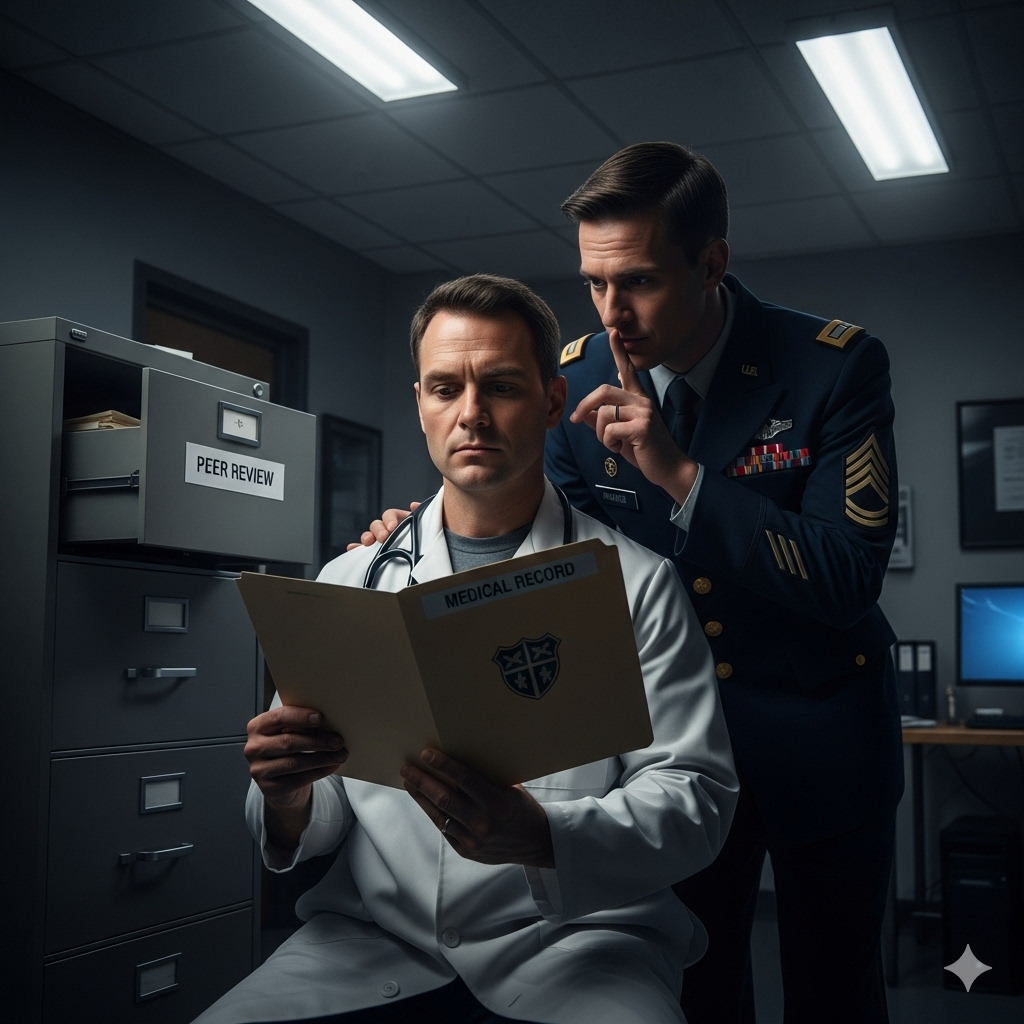
When service members and their families seek care at military hospitals, they expect professional, transparent, and competent treatment. However, when a medical mistake occurs, the response from the military healthcare system can be complicated by internal peer review processes. While peer reviews are intended to maintain high standards and accountability, they can sometimes be used to conceal or downplay medical errors, shielding negligent providers and leaving victims without answers or recourse.
If you believe that a peer review process is hiding a medical mistake, understanding your rights and the legal actions you can take is critical. In this blog, we’ll explore what peer reviews are, how they can be misused in military hospitals, and what steps you can take to expose hidden errors and seek justice.
What Is a Peer Review in Military Medicine?
Peer review in a military hospital is an internal process used to evaluate the performance of healthcare providers. When an adverse medical outcome occurs—such as a misdiagnosis, surgical error, or treatment failure—a panel of medical peers may be asked to review the case for professional standards and conduct.
Ideally, this process:
- Identifies errors or negligence
- Recommends corrective action
- Ensures patient safety moving forward
However, because peer reviews are protected under confidentiality policies and are often conducted within the same institution where the error occurred, they can be misused to suppress evidence, avoid accountability, or protect fellow service members from repercussions.
How Peer Reviews Hide Medical Errors
In some cases, peer reviews are used not to investigate, but to shield providers or the institution from liability. Warning signs that a peer review may be concealing wrongdoing include:
- A sudden or unexplained closing of a medical complaint
- Refusal to release information about the review process
- Inconsistent explanations between your medical records and what providers tell you
- A claim being denied without proper investigation or patient input
- A formal report stating “no deviation from standard of care” despite clear signs of negligence
Because these reviews are not subject to full public disclosure, families and victims may be left in the dark about what really happened.
Legal Barriers and Protections
The Feres Doctrine
For active-duty service members, the Feres Doctrine often prevents civil lawsuits for injuries “incident to service,” including those caused by medical malpractice in military hospitals. This has historically made it difficult for victims to challenge the results of a peer review or pursue compensation.
The Federal Tort Claims Act (FTCA)
Dependents, retirees, and veterans may file claims for medical negligence under the FTCA, even if the error was reviewed internally. If you fall into one of these categories, you have the legal right to challenge the military hospital’s findings and file an administrative claim for medical malpractice.
The NDAA Pathway
The 2019 National Defense Authorization Act (NDAA) introduced a pathway for active-duty service members to file administrative claims for compensation from the Department of Defense for medical malpractice. Even if the peer review concluded no wrongdoing, this process allows independent legal evaluation of your case.
Steps to Take If You Suspect a Peer Review Covered Up a Medical Error
1. Request Your Medical Records
Begin by obtaining a complete copy of your medical file. Although peer review documents themselves are protected, your official treatment records, lab results, and provider notes are not. These can reveal inconsistencies or signs of negligence, such as ignored test results or delayed diagnoses.
2. Keep a Personal Timeline
Write down everything you remember about the incident—dates, symptoms, communications with providers, and the outcomes. This timeline helps establish a clear narrative and can support your claim if documentation is missing or altered.
3. Seek a Second Opinion
Have a civilian or outside medical provider review your records. An independent medical expert may be able to identify what the peer review did not disclose and provide a statement supporting your case.
4. File an Administrative Claim
If you’re eligible under the FTCA or NDAA, file an SF-95 form with the appropriate agency. Describe the medical error, how it has affected you, and why you believe the peer review failed to address the issue appropriately.
5. Consult a Military Malpractice Attorney
Due to the confidential nature of peer reviews and the legal limitations unique to military healthcare, a qualified attorney is essential. They can help identify what’s being withheld, interpret your medical records, and pursue all available legal avenues.
Why Peer Review Protections Exist—And Where They Fail
It’s important to understand that peer review protections were designed to promote honest evaluation and improve care. However, when used to hide mistakes or block patients from seeking justice, they fail in their purpose and can cause long-term harm.
Peer reviews are not final legal judgments. Even if the military hospital claims that the provider acted appropriately, that does not prevent you from filing a malpractice claim—especially if you can present new evidence or expert testimony that the review did not consider.
What Compensation Can You Seek?
If your case succeeds under the FTCA or NDAA, you may be entitled to compensation for:
- Past and future medical expenses related to the harm
- Lost wages or career disruption due to the medical error
- Pain and suffering caused by physical or emotional trauma
- Wrongful death compensation if a loved one died due to negligence
Your case is not limited by the outcome of a peer review, and legal claims are evaluated independently based on evidence and expert input.
How an Experienced Attorney Can Help
Military malpractice attorneys understand how peer review policies and federal protections intersect with your right to seek justice. They can:
- Analyze medical records for signs of negligence
- Request supporting documentation through legal discovery
- Identify inconsistencies between official records and peer findings
- Build a strong administrative claim or legal case on your behalf
These cases often require deep understanding of both medical law and military procedure—so don’t go it alone.
Conclusion
If you suspect that a peer review process in a military hospital was used to cover up a medical error, you’re not without options. These internal reviews may be confidential, but they are not above scrutiny. You still have the right to access your records, seek an outside medical opinion, and file a legal claim when you’ve been harmed.
Whether you’re a veteran, retiree, dependent, or active-duty member eligible under the NDAA, justice begins with action. You deserve answers—and if necessary, accountability for the harm caused.
Contact Khawam Ripka LLP today to speak with an attorney experienced in military medical malpractice. We’ll help you uncover the truth, challenge misleading peer reviews, and fight for the compensation you deserve.
👉 Visit ForTheMilitary.com or call now to schedule a confidential consultation. Don’t let silence or internal bureaucracy stand in the way of justice.